C19 · Reference edition 2026.11
Temporal notes — Recording and revision
An impression can change during an observation. Record onset, development and persistence as separate descriptions where useful.
Scope and purpose
A reference record should allow another reader to reconstruct the intended description. Keep the identifier, context and revision together. When information changes, explain the change and retain enough of the earlier description to understand what was superseded.
Working notes
This atlas connects descriptive vocabulary, observation context and reference-sheet design. All example records are synthetic and exist to explain a method of documentation; they do not represent tested batches, product ratings or scientific results. The diagrams are original editorial graphics. Descriptions of perceived character are kept separate from ingredient, origin, health and certification claims. Read definitions and scale anchors before comparing records.
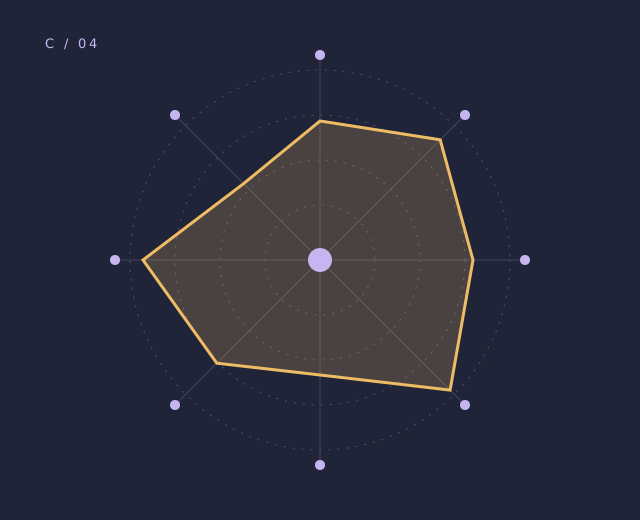
Practical example
Use a three-stage timeline rather than a single unexplained duration value.
| Reference record | Interpretation |
|---|---|
| C19 | Temporal notes |
| Scope and purpose | An impression can change during an observation. Record onset, development and persistence as separate descriptions where useful. |
| Limits and interpretation | Illustrative timelines are not measured release curves. |
Review checklist
Check the identifier; describe the observation and its source; date the revision; link affected figures; distinguish confirmed facts from open questions.