C27 · Reference edition 2026.11
Sample identity — Layout and sequence
Blind labels and preparation records serve different purposes. Keep the label used during observation distinct from the preparation identifier.
Scope and purpose
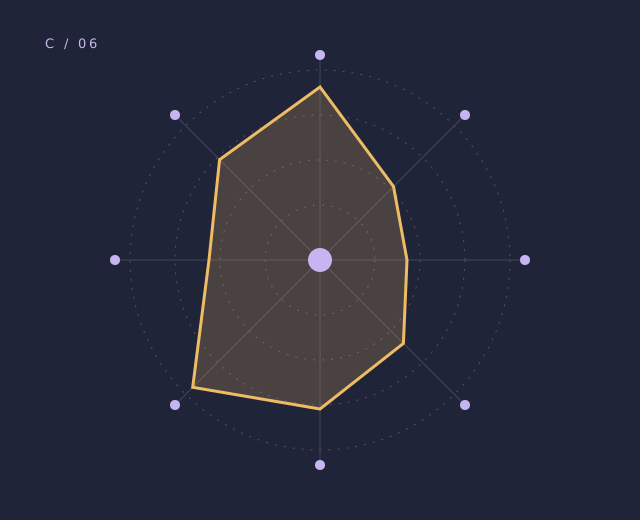
Place the relevant elements in a visible order before completing the record. A diagram should distinguish position from sequence and should preserve the orientation used in the written notes. Review the example for a practical way to make the relationship explicit.
Working notes
This atlas connects descriptive vocabulary, observation context and reference-sheet design. All example records are synthetic and exist to explain a method of documentation; they do not represent tested batches, product ratings or scientific results. The diagrams are original editorial graphics. Descriptions of perceived character are kept separate from ingredient, origin, health and certification claims. Read definitions and scale anchors before comparing records.
Practical example
Use synthetic codes such as C-01 and C-02 in an illustrative comparison sheet.
| Reference record | Interpretation |
|---|---|
| C27 | Sample identity |
| Scope and purpose | Blind labels and preparation records serve different purposes. Keep the label used during observation distinct from the preparation identifier. |
| Limits and interpretation | Example records are invented for explanation, not evidence from tested batches. |
Review checklist
Identify the starting condition; mark the order or orientation; check that labels in the figure match the accompanying table.